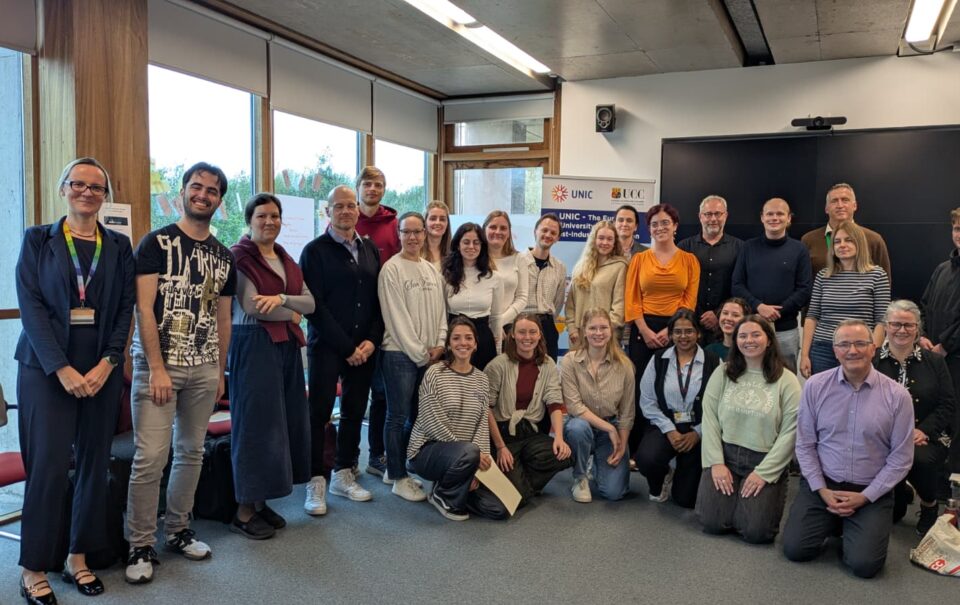
The programme combined online activities held from 16 September to 7 October 2025 with an in-person component from 13 to 17 October 2025. The Autumn School provided an interdisciplinary learning environment focused on developing leadership skills and sustainability competencies that complement participants’ academic and professional expertise. It addressed the importance of systems thinking, collaborative leadership and approaches to understanding and addressing complex sustainability challenges. These competencies are increasingly important for navigating the interconnected environmental, social and institutional dimensions of sustainable development.
Beyond acquiring knowledge, the programme encouraged participants to consider how sustainability principles can be translated into action within universities, research organisations and wider communities. By engaging with sustainability challenges from different perspectives, participants had the opportunity to broaden their understanding of the role of leadership, collaboration and institutional change in advancing sustainable development. The school also highlighted the value of interdisciplinary and international learning environments, where participants can exchange experiences, reflect on different approaches and build connections across academic and professional backgrounds. Such opportunities help bridge the gap between technical expertise and the broader competencies needed to implement meaningful sustainability initiatives.
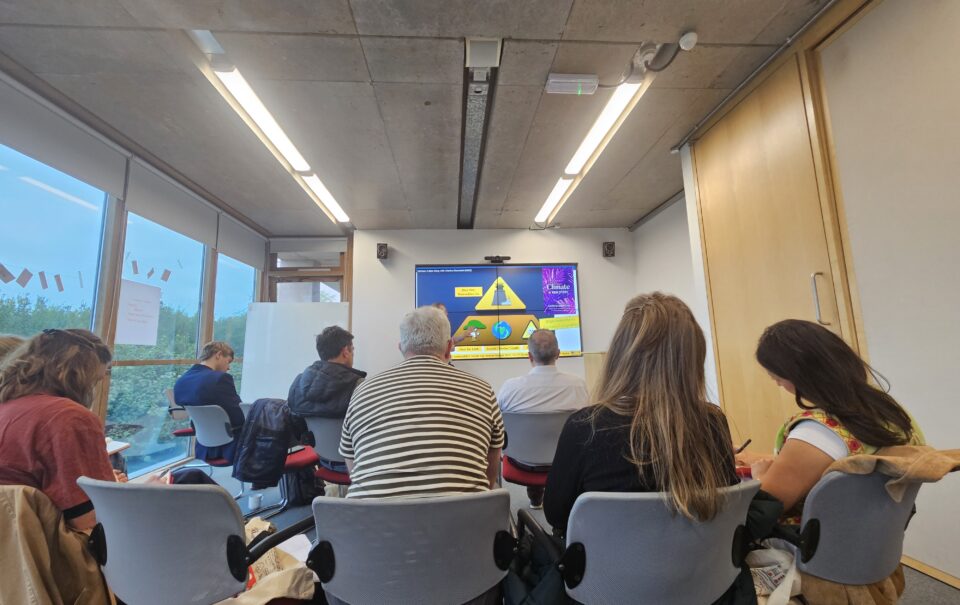
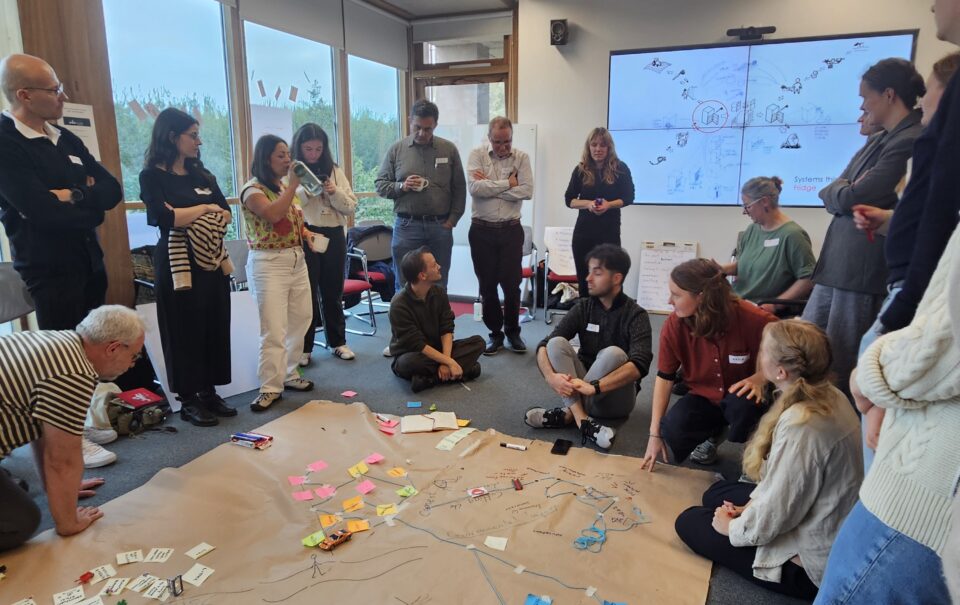
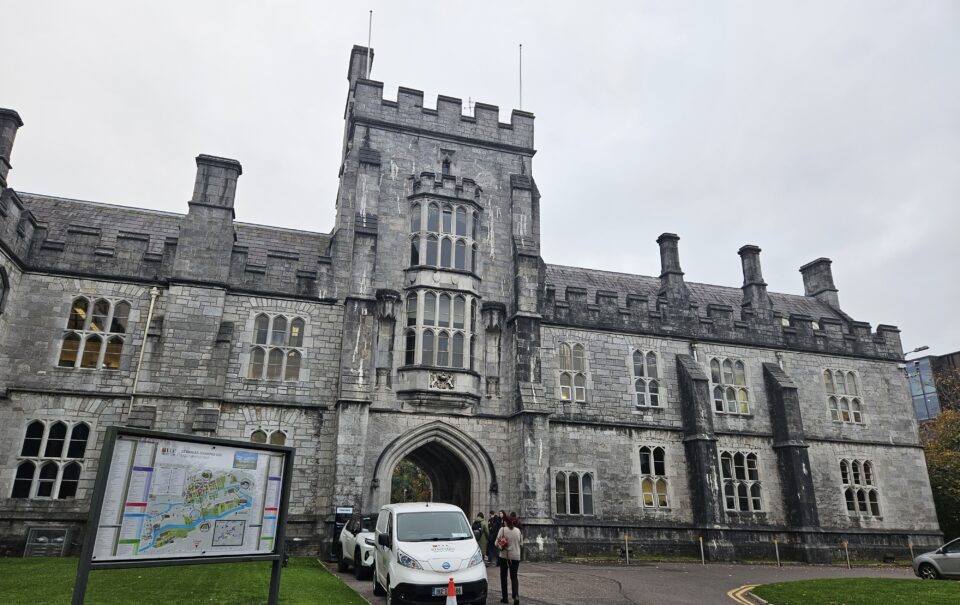
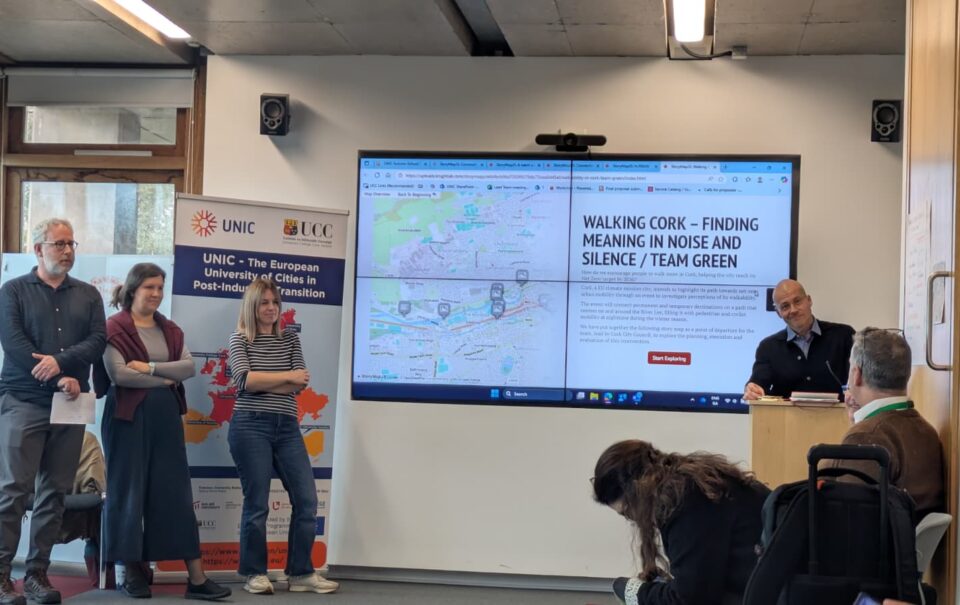
For the ASCCENT team, participation represented an opportunity to expand learning beyond technical research and strengthen the leadership and systems-thinking skills needed to support the project’s wider sustainability objectives. These competencies can help researchers communicate research outcomes more effectively, engage with diverse stakeholders and contribute to embedding sustainability into institutional practices and decision-making. By investing in sustainability leadership and interdisciplinary capacity building, the ASCCENT team continues to strengthen its ability to contribute to a more sustainable built environment and to promote positive change through research, education and collaboration.