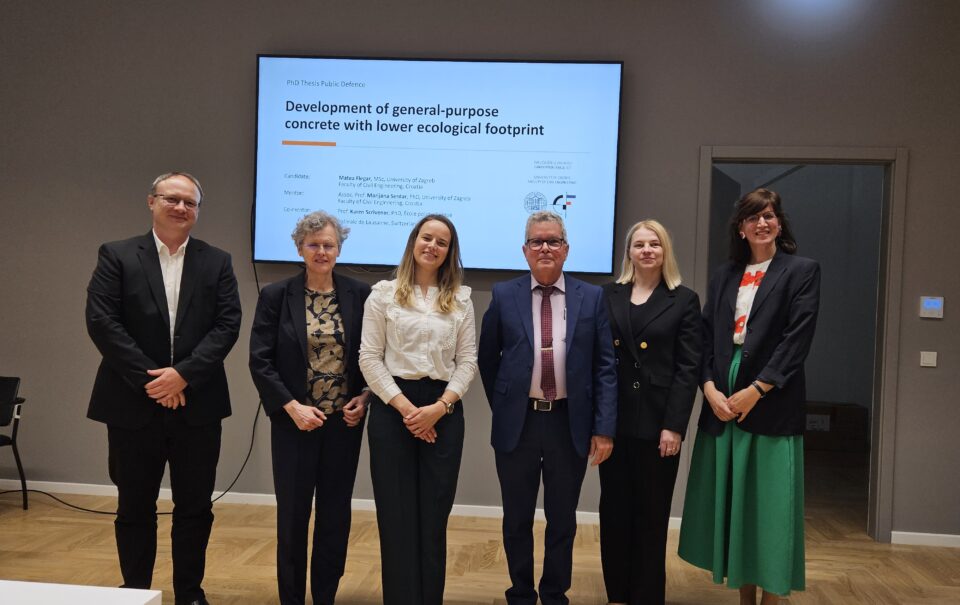
The invited lectures provided valuable opportunities for scientific exchange and strengthened connections between international research and ongoing work on sustainable construction materials.
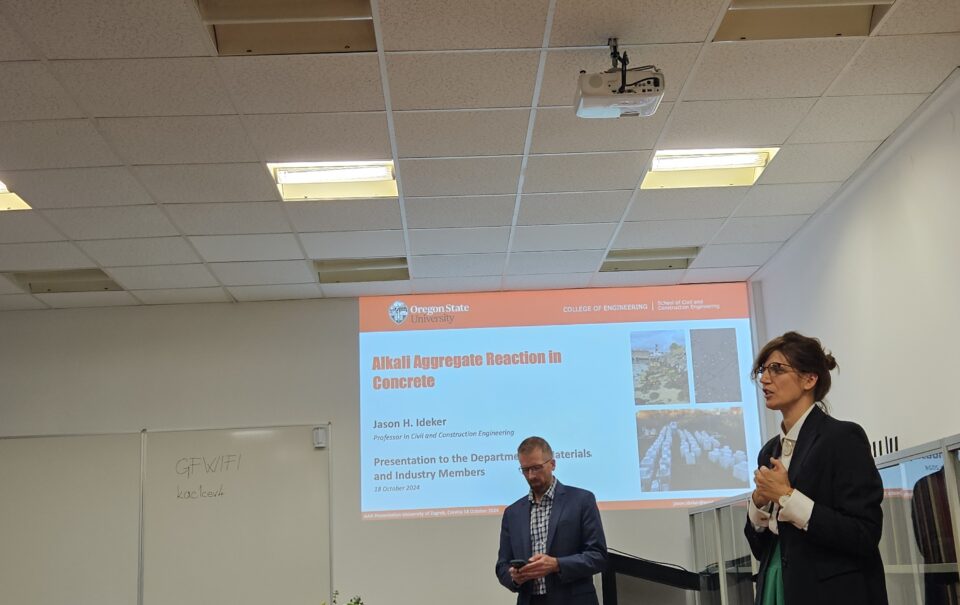
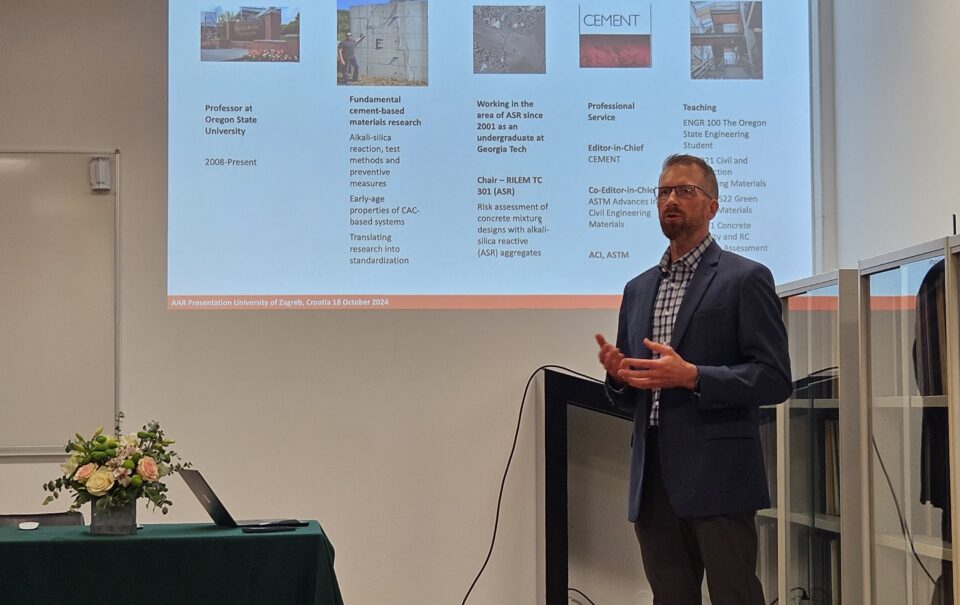
On 18 October 2024, Professor Jason H. Ideker delivered a lecture entitled “Alkali-Silica Reaction in Concrete”. The lecture addressed the fundamental mechanisms of alkali–silica reaction (ASR), a chemical process that can cause expansion and damage in concrete, compromising its long-term durability. Professor Ideker discussed relevant testing methods and prevention strategies, highlighting the importance of understanding and mitigating ASR to ensure the performance and service life of concrete structures.
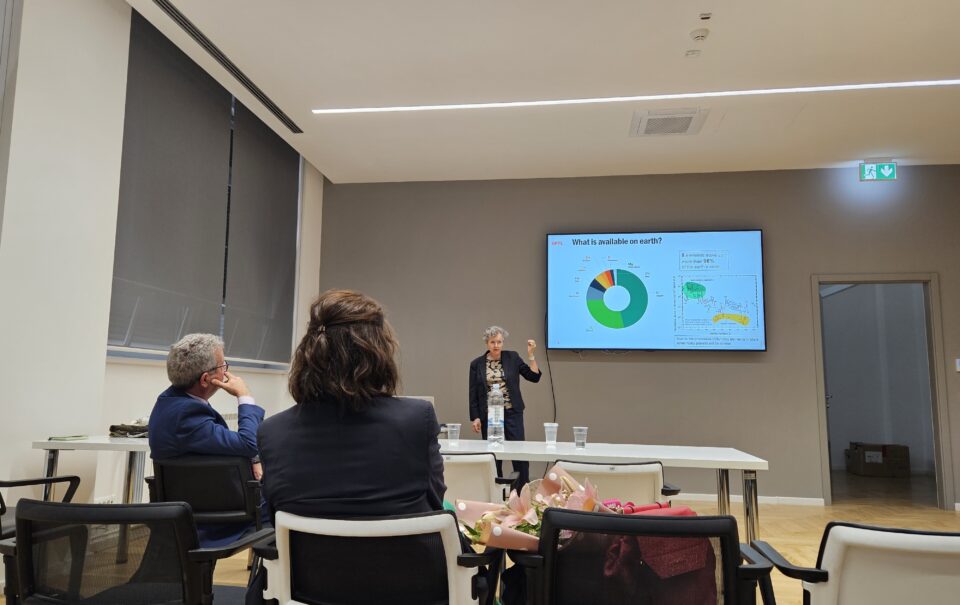
On 28 April 2025, Professor Karen Scrivener and Professor Fernando Martirena delivered invited lectures entitled “Recent Advances in LC3 Cement”. Professor Scrivener leads the Laboratory of Construction Materials at École polytechnique fédérale de Lausanne (EPFL), Switzerland, while Professor Martirena is affiliated with Universidad Central de las Villas, Cuba. Their lectures explored recent developments in limestone calcined clay cement (LC3), an innovative alternative to conventional Portland cement that can significantly reduce the carbon footprint of cement production. LC3 technology combines limestone and calcined clay to partially replace clinker, the most carbon-intensive component of conventional cement. By reducing clinker demand while maintaining the potential for suitable performance, LC3 offers promising opportunities to lower greenhouse gas emissions associated with cement production and support the transition towards more sustainable construction materials.
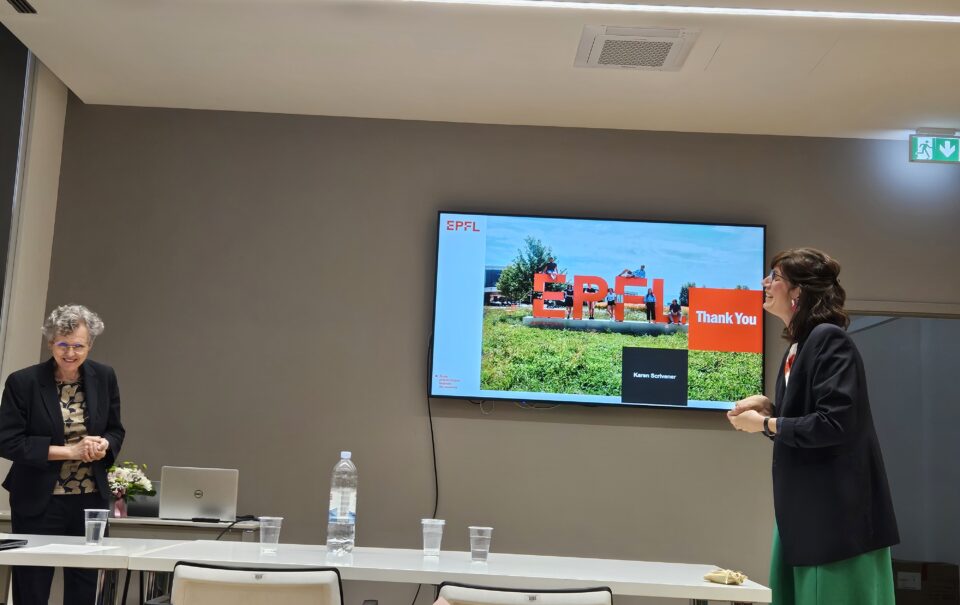
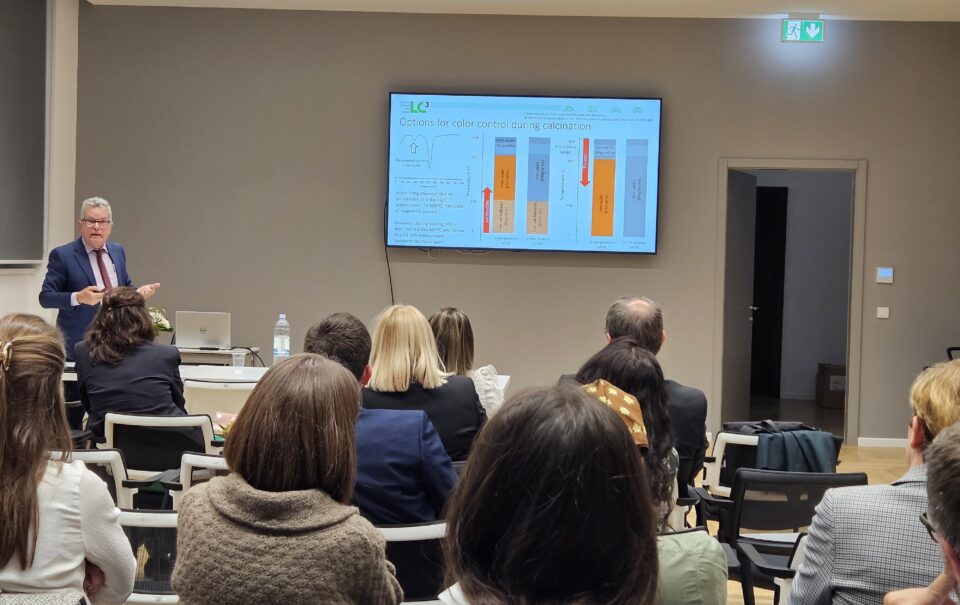
Together, these lectures highlighted two complementary priorities in concrete research: improving the durability and service life of concrete structures and reducing the environmental impacts of cement production. Both are essential to advancing sustainable construction, as lower-carbon materials must also meet the requirements for long-term performance and reliability.
The events provided UNIZG-FCE researchers and students with opportunities to engage with leading international experts, exchange scientific knowledge and explore emerging approaches in cement and concrete technology. Through these activities, the ASCCENT project continues to promote international collaboration, strengthen research capacity and support the development of innovative construction materials with a lower environmental footprint.