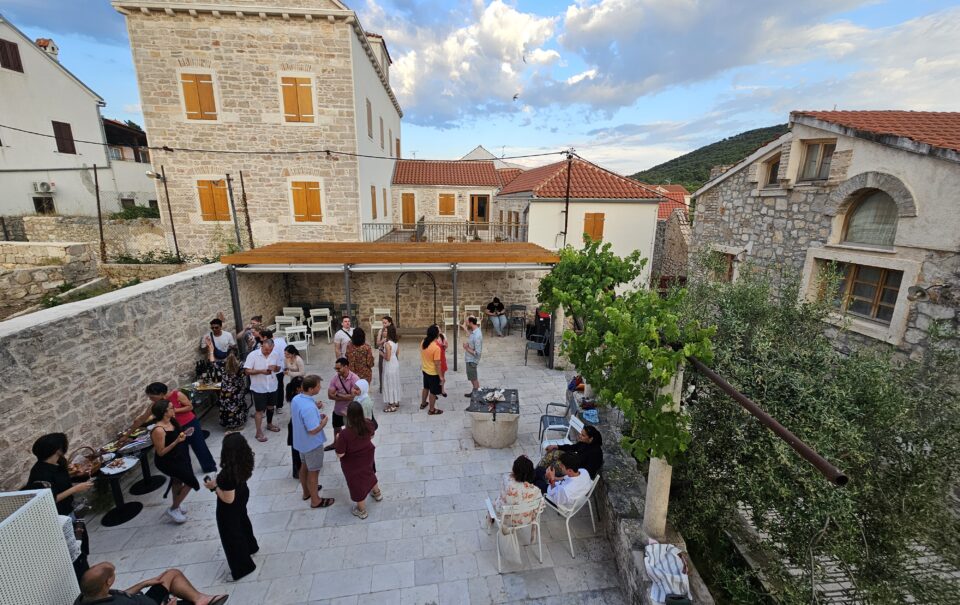
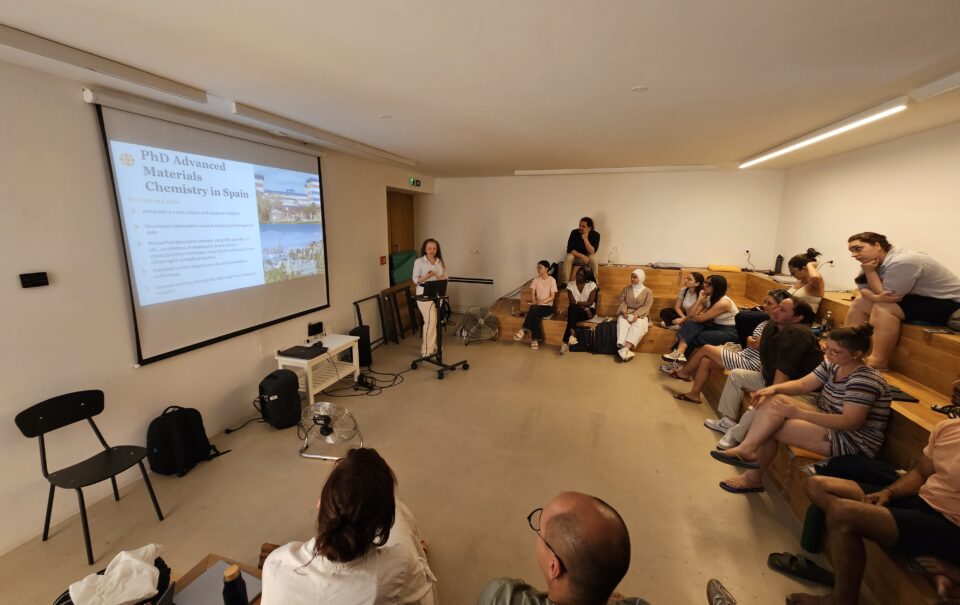
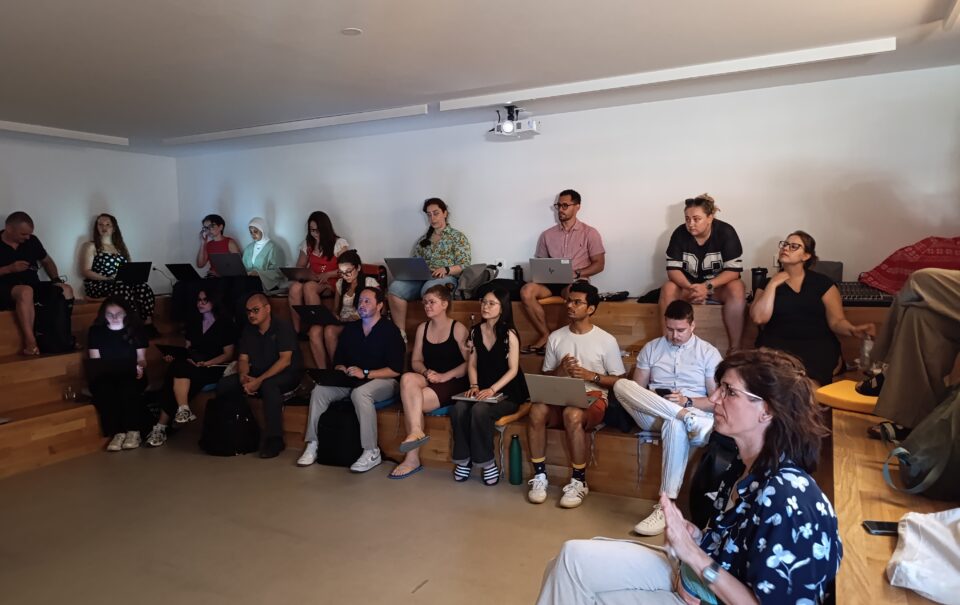
The second doctoral summer school, “Carbon Storage in Net-Zero Construction Products“ took place from 26 to 29 May 2026 on the island of Zlarin, Croatia, as part of our ASCCENT project, led by Associate Professor Marijana Serdar, PhD.
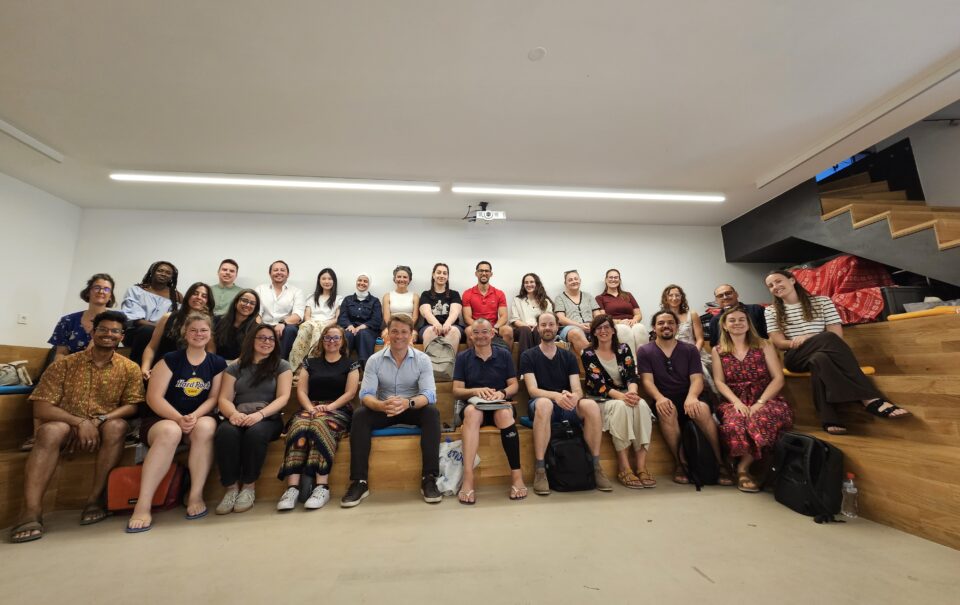
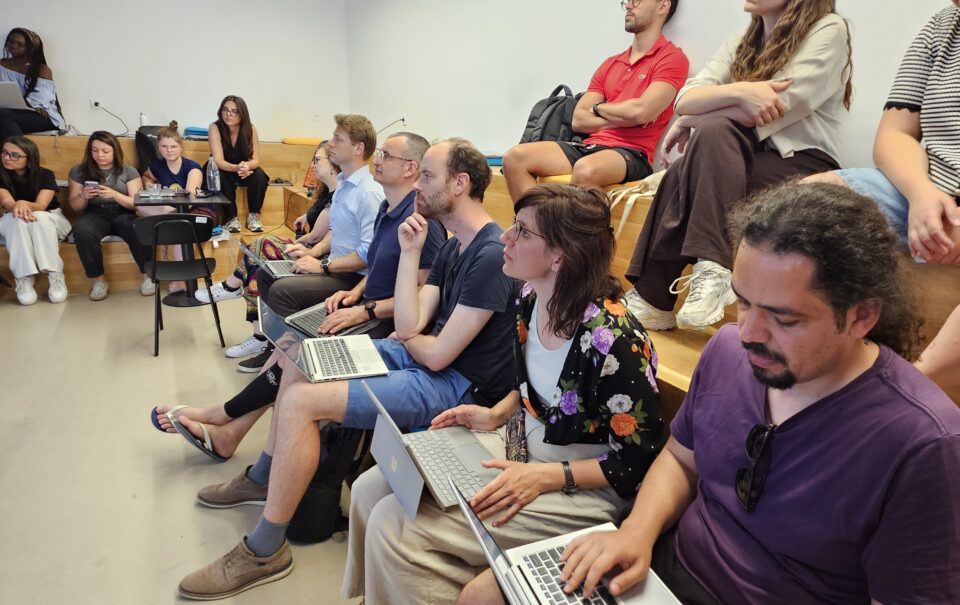
This summer school brought together PhD candidates working at universities together with several professionals from industry, representing 8 countries (Belgium, Brazil, Denmark, France, Greece, Poland, Serbia and Spain) and 13 nationalities (Belgian, Brazilian, Chinese, Colombian, Croatian, Danish, Ecuadorian, French, Greek, Lebanese, Polish, Serbian and Turkish). This multicultural environment significantly enriched discussions by bringing together diverse scientific perspectives, educational backgrounds and professional experiences.
The programme included experts from leading universities and research organisations as well as an industrial partner:
- Dr Bruno Huet – Holcim Innovation Center, France, who presented the industrial perspective on net-zero production and low-CO₂ construction materials.
- Prof. Ruben Snellings and Dr. Cem Usta – KU Leuven, Belgium, who addressed advances in mineral carbonation science and technology for the production of construction materials.
- Prof. Agneta Ghose and Prof. Massimo Pizzol – Aalborg University, Denmark, who addressed life-cycle assessment of net-zero buildings and construction products.
- Dr Jan Suchorzewski – RISE, Sweden, who presented approaches for working with the construction industry to implement net-zero innovations, including methodology and examples of successful projects.
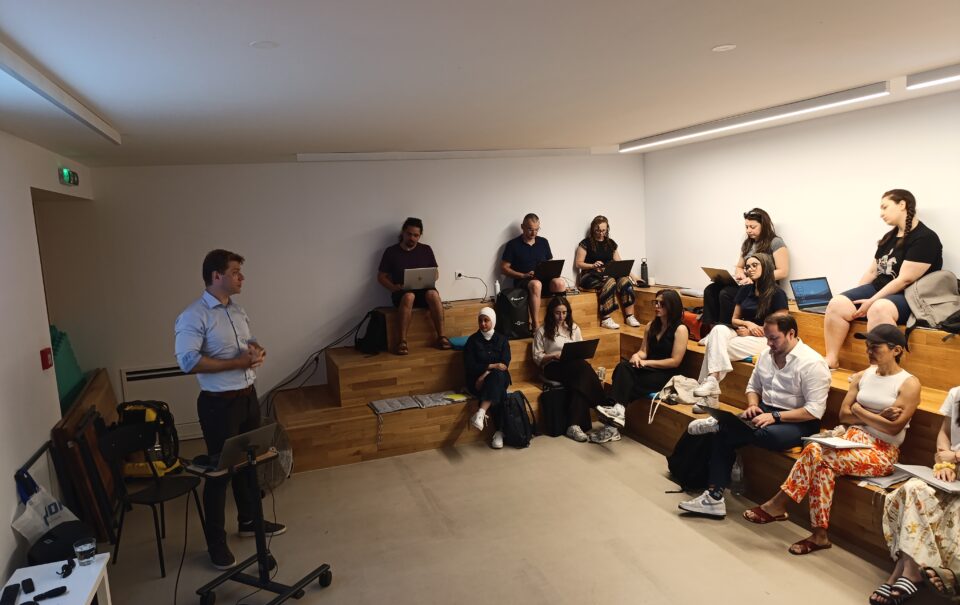
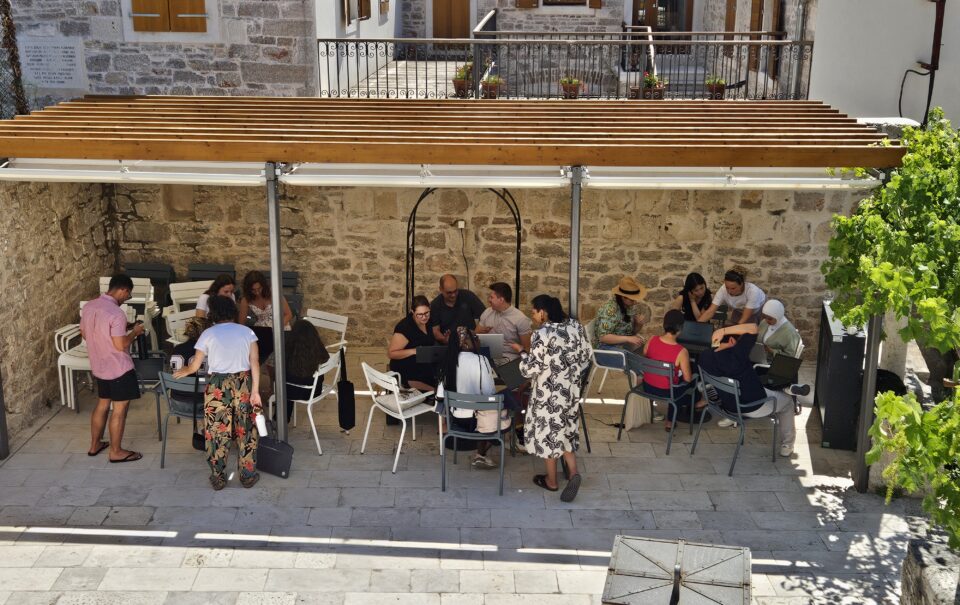
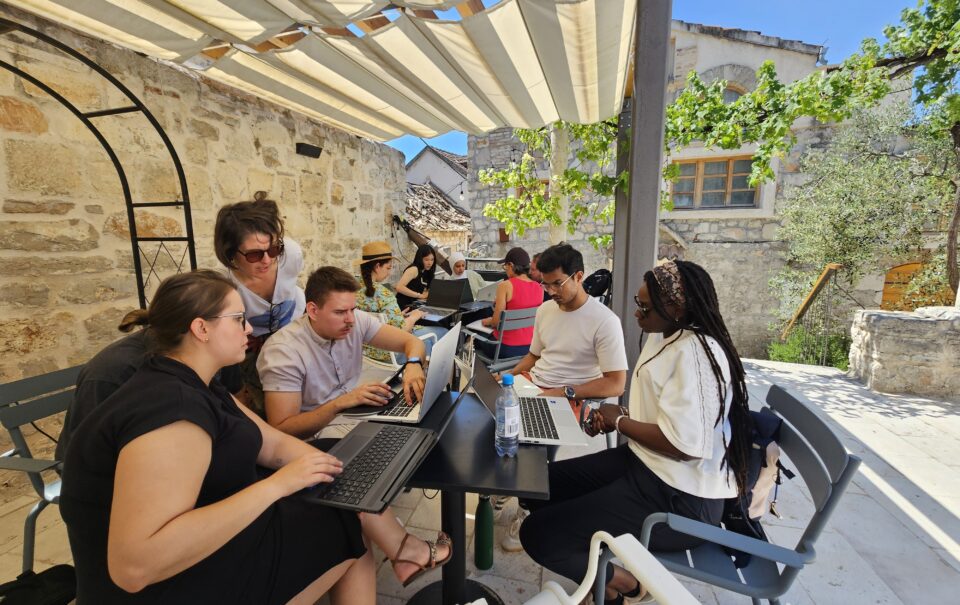
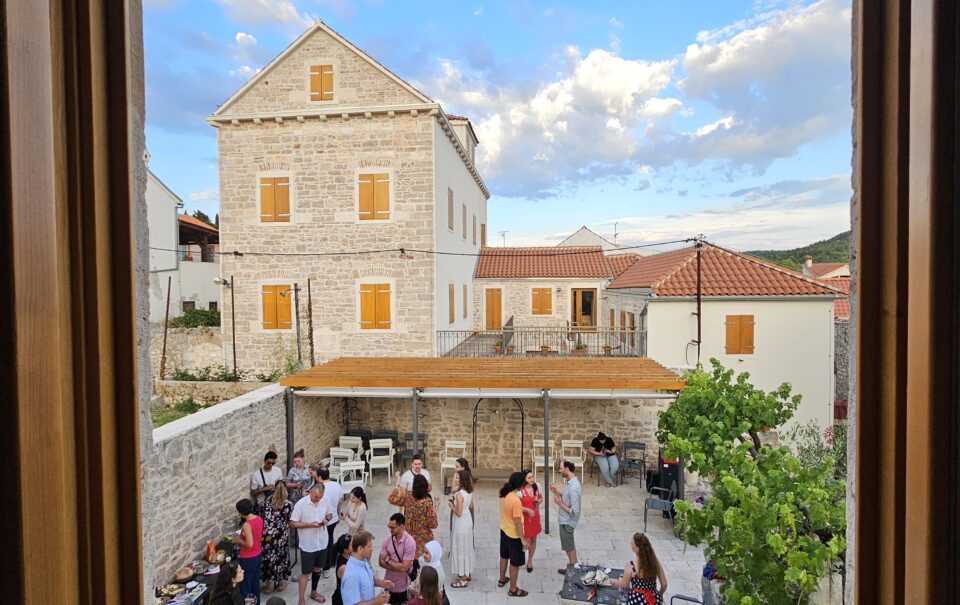
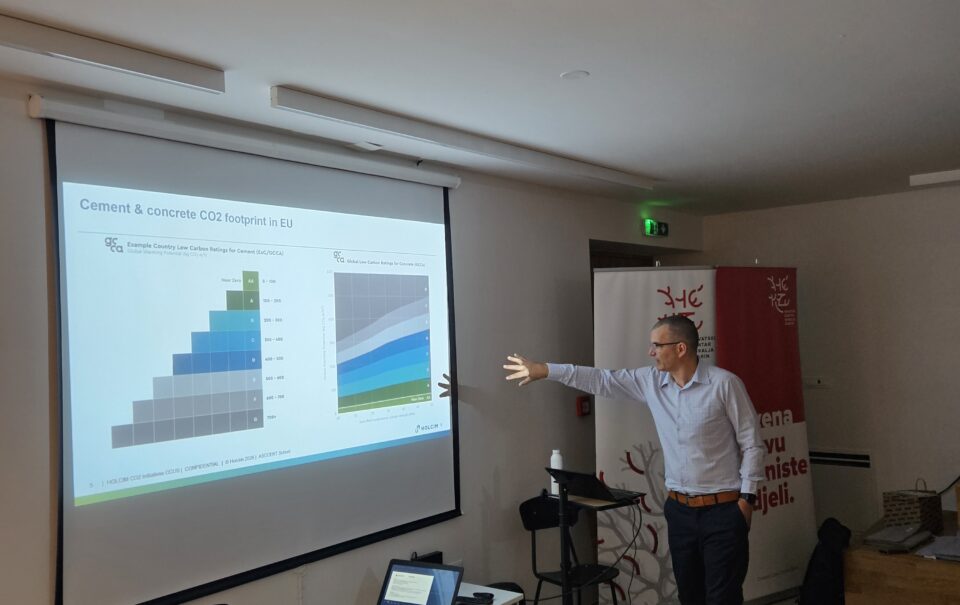
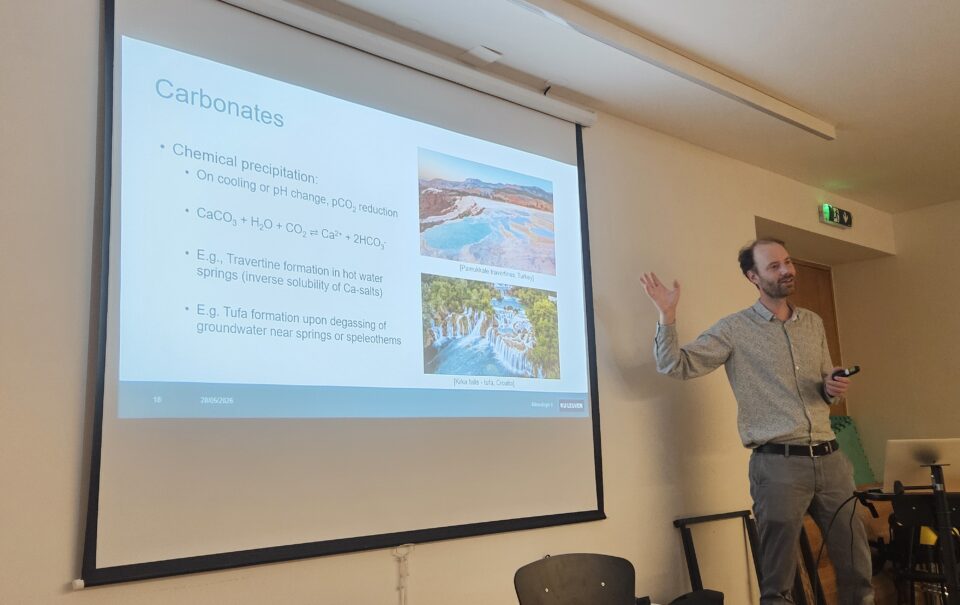
An additional motivational component was delivered by Dr Dianna Londono, whose motivational talk encouraged participants to think beyond their immediate research topics and consider creativity, collaboration, innovation and the broader potential impact of their work. The motivational session complemented the scientific programme by focusing on personal and professional development. It provided a valuable opportunity to exchange knowledge, share experiences, and explore sustainable construction materials and innovative technologies for capturing and storing CO₂ in construction products.
One of the central experiential learning activities was the ASCCENT Challenge.
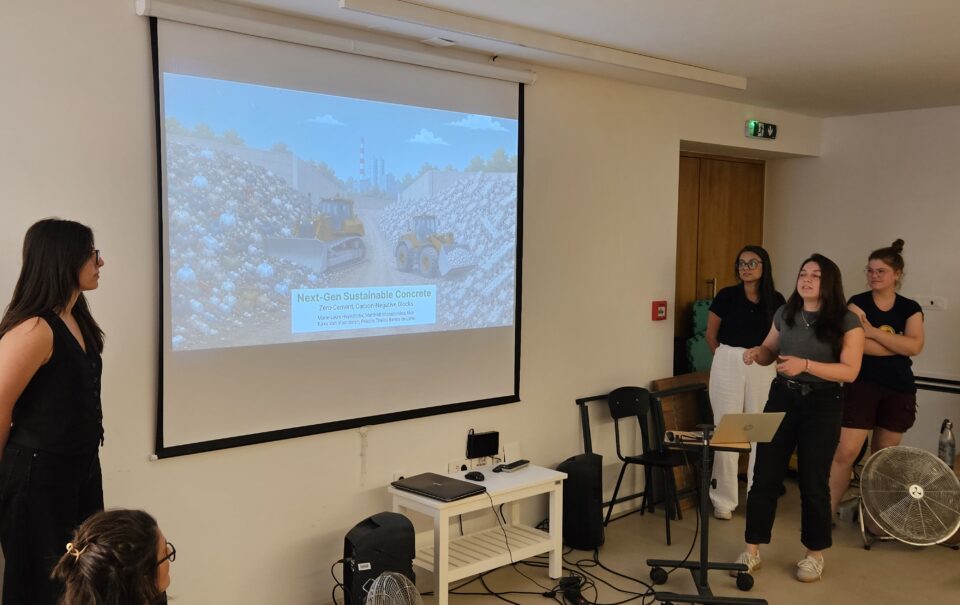
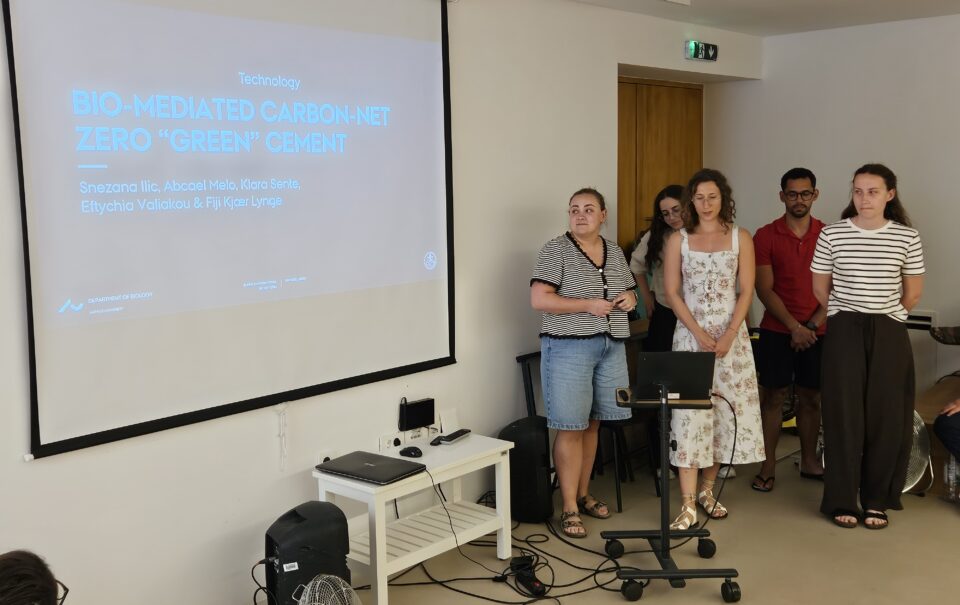
Participants were divided into teams of five students and asked to design an innovative product, concept or technology that could contribute to reducing CO₂ emissions and moving towards net-zero objectives. The task was designed to simulate the process of developing an innovation from an initial idea towards a potentially marketable solution.
The final output of the ASCCENT Challenge was a three-minute pitch. Each team presented its proposed solution in a concise format to the other participants and the expert lecturers. The Challenge therefore extended the learning experience beyond technical knowledge. It enabled participants to practice teamwork, time management, scientific communication, persuasion, creativity and entrepreneurial thinking.
We kind invite you to watch our promotional video to experience some of the highlights, activities, and memorable moments from this year’s summer school. The video showcases the importance of international collaboration and interdisciplinary research in developing more sustainable solutions for the future of construction.
A big thank you to all participants and collaborators who contributed to the success of this year’s summer school!