ASCCENT aims to strengthen research excellence and international cooperation in the field of CO₂ utilisation and storage in construction products, supporting the development of innovative solutions for a more sustainable construction sector. Building effective partnerships between research organisations and industry is essential for translating scientific advances into practical applications and exploring opportunities to scale up carbon mineralisation technologies.
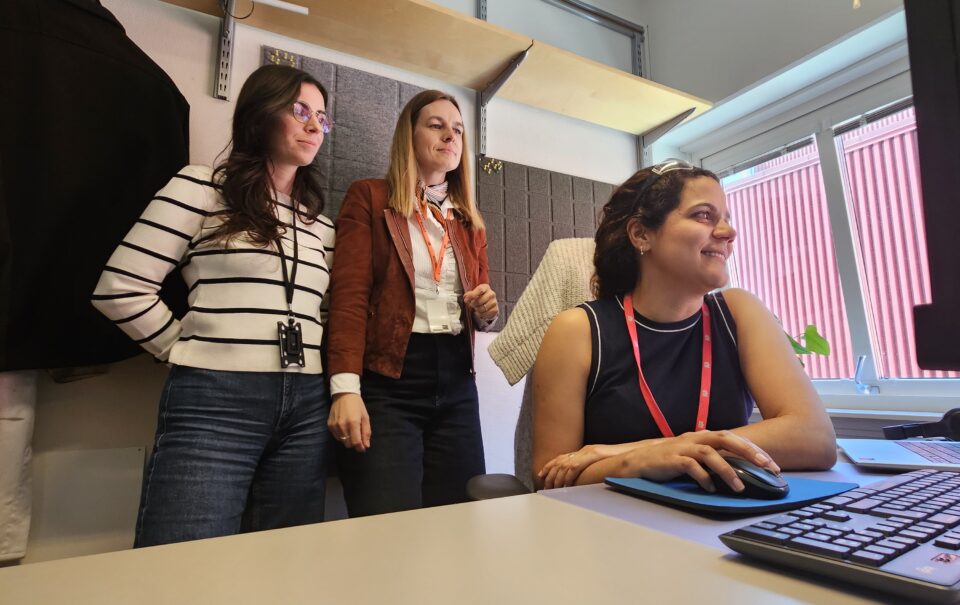
On 29 and 30 April, Vanja visited RISE Research Institutes of Sweden, where Dr Jan Suchorzewski introduced her to the research facilities and laboratory in Borås. PhD student Leila Nobrega Sousa presented the laboratory’s equipment, while Dr Jan Suchorzewski introduced research infrastructure and activities related to construction materials, offering insights into how research capabilities can support innovation and address industrial challenges.
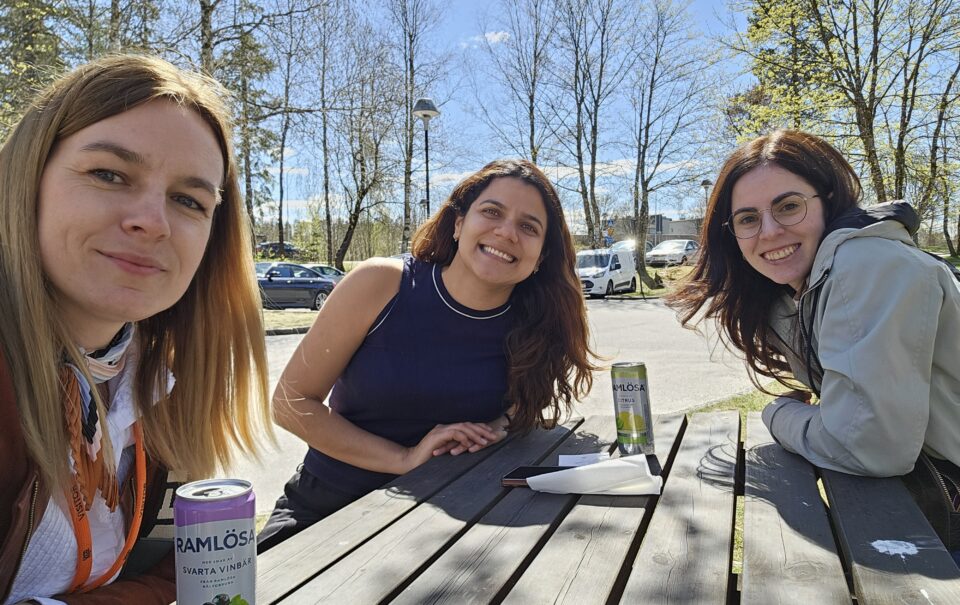
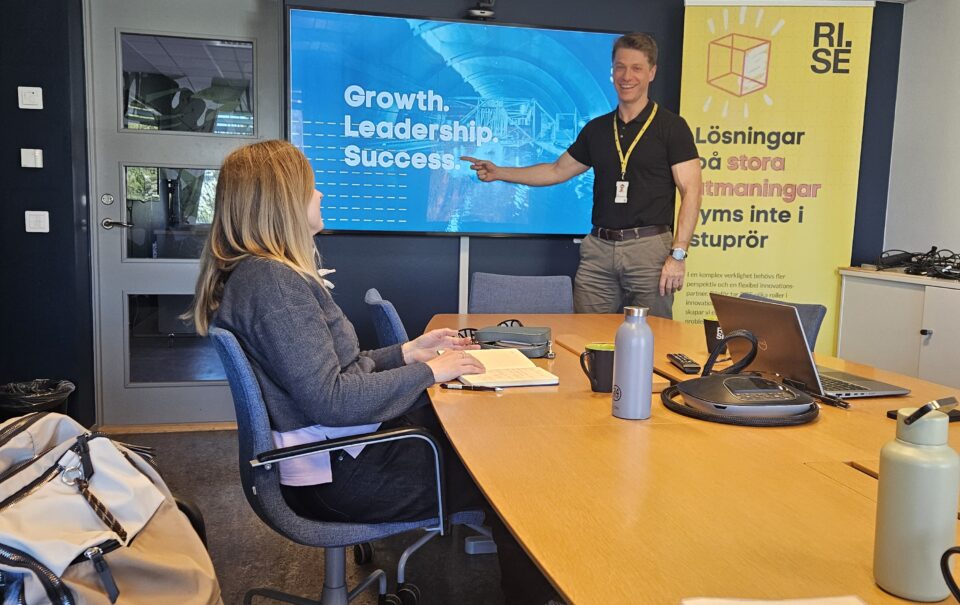
The programme also included a meeting in Gothenburg, where Jan shared his experience in managing collaboration with industry, including research management practices, the organisation of industry-related activities and the development of partnerships between research institutions and companies. These discussions provided valuable perspectives on how to build effective and lasting academia-industry relationships an important element of ASCCENT’s capacity-building and knowledge-transfer activities.
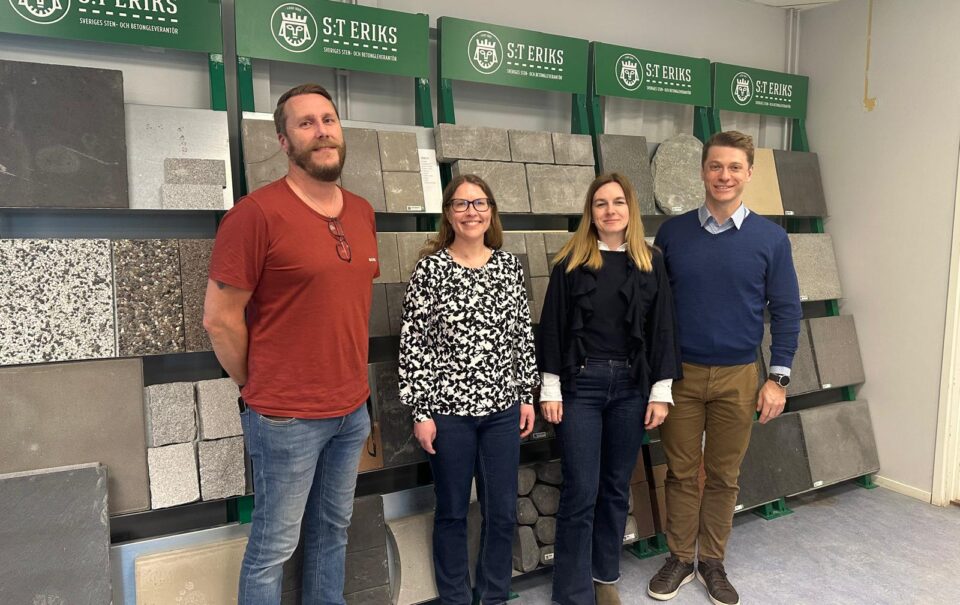
On 28 April further highlight was the visit on 28 April to the S Eriks AB factory in Uppsala, where Vanja joined discussions with industry representatives, including Therese Kvarnström and Magnus Eklund. The exchange focused on current and future challenges in the concrete industry, particularly CO₂ sequestration in construction products and the role of industrial production in scaling up climate-positive solutions.
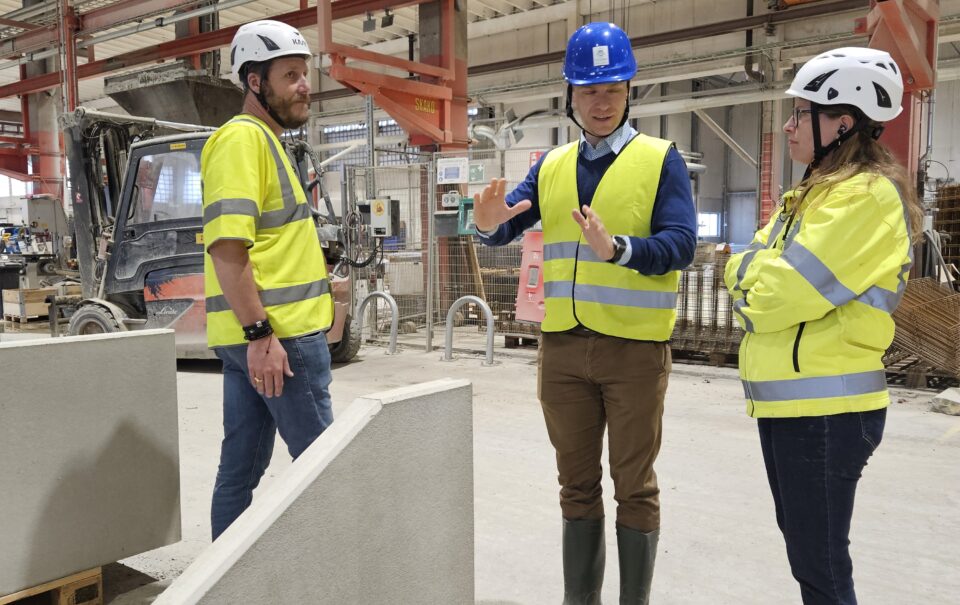
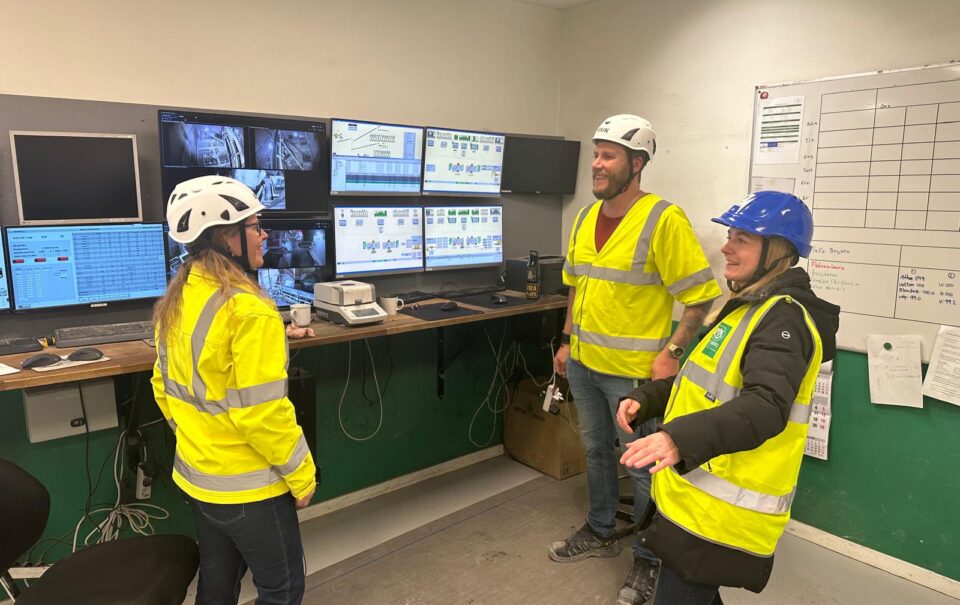
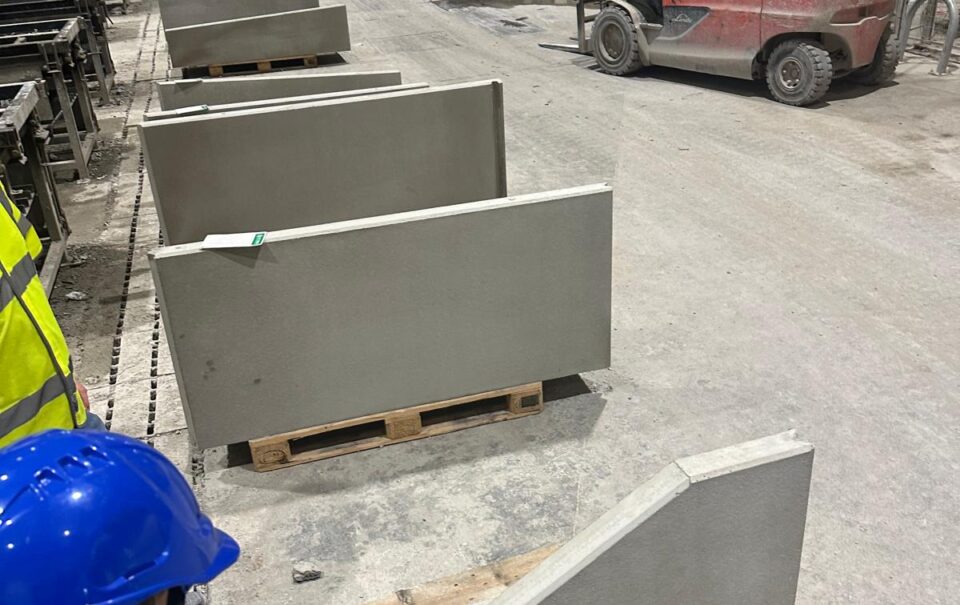
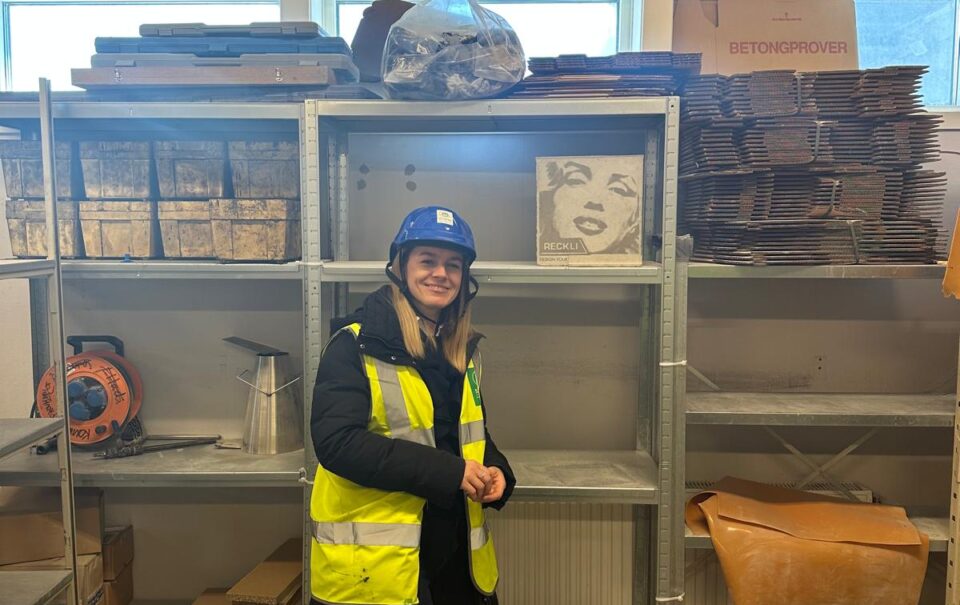
The visit provided an opportunity to connect ASCCENT’s research objectives with the practical needs of concrete producers. Discussions about industrial processes, research infrastructure and collaboration models helped deepen the understanding of how research institutions and industry can work together to advance carbon storage in construction materials and support the transition towards lower-carbon construction. Through this job-shadowing activity, ASCCENT continues to strengthen international partnerships, build research-management capacity and encourage knowledge exchange between academia and industry. These connections are important for helping promising research move beyond the laboratory and towards practical solutions that contribute to CO₂ storage in construction products and a more sustainable built environment.